


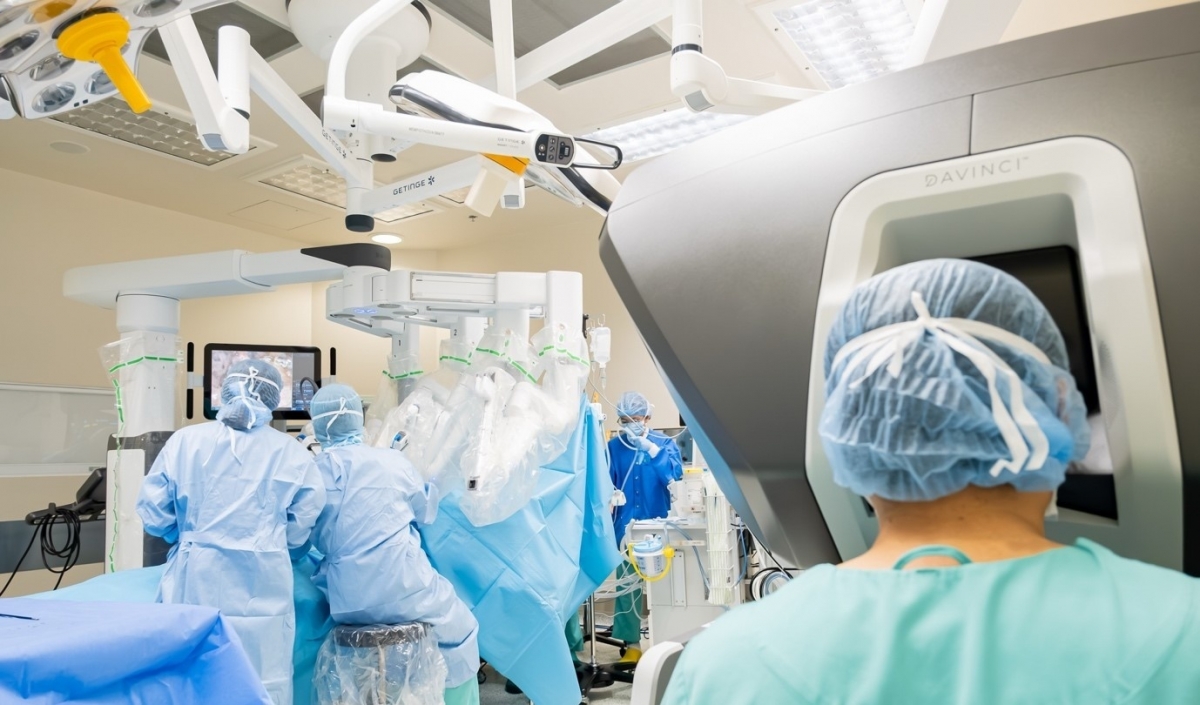
Previously, non-small cell lung cancer was commonly treated using standard protocols, which often limited treatment effectiveness. Advances in molecular biology have changed this approach entirely.
According to Dr. Vo Kim Dien, M.Sc., deputy head of Hy Vong Cancer Centre, FV Hospital, lung cancer patients are now classified based on specific gene mutations or Programmed Death-Ligand 1 (PD-L1) expression levels in order to select the most appropriate therapy for each individual.
“Molecular testing is a mandatory step before establishing a treatment plan. Identifying the correct mutation enables doctors to select next-generation targeted therapies, thereby optimising patient survival outcomes,” Dien noted.
PD-L1 is a type of protein found on the surface of cells. Some lung cancer cells produce high levels of PD-L1 to ‘trick’ the immune system, preventing immune cells from attacking them.
In Asia, Epidermal Growth Factor Receptor (EGFR) mutations are found in approximately 14 per cent to 46 per cent of lung cancer patients. EGFR is a protein found on the surface of cells that helps regulate cell growth and division. These mutations are commonly detected in female non-smokers.
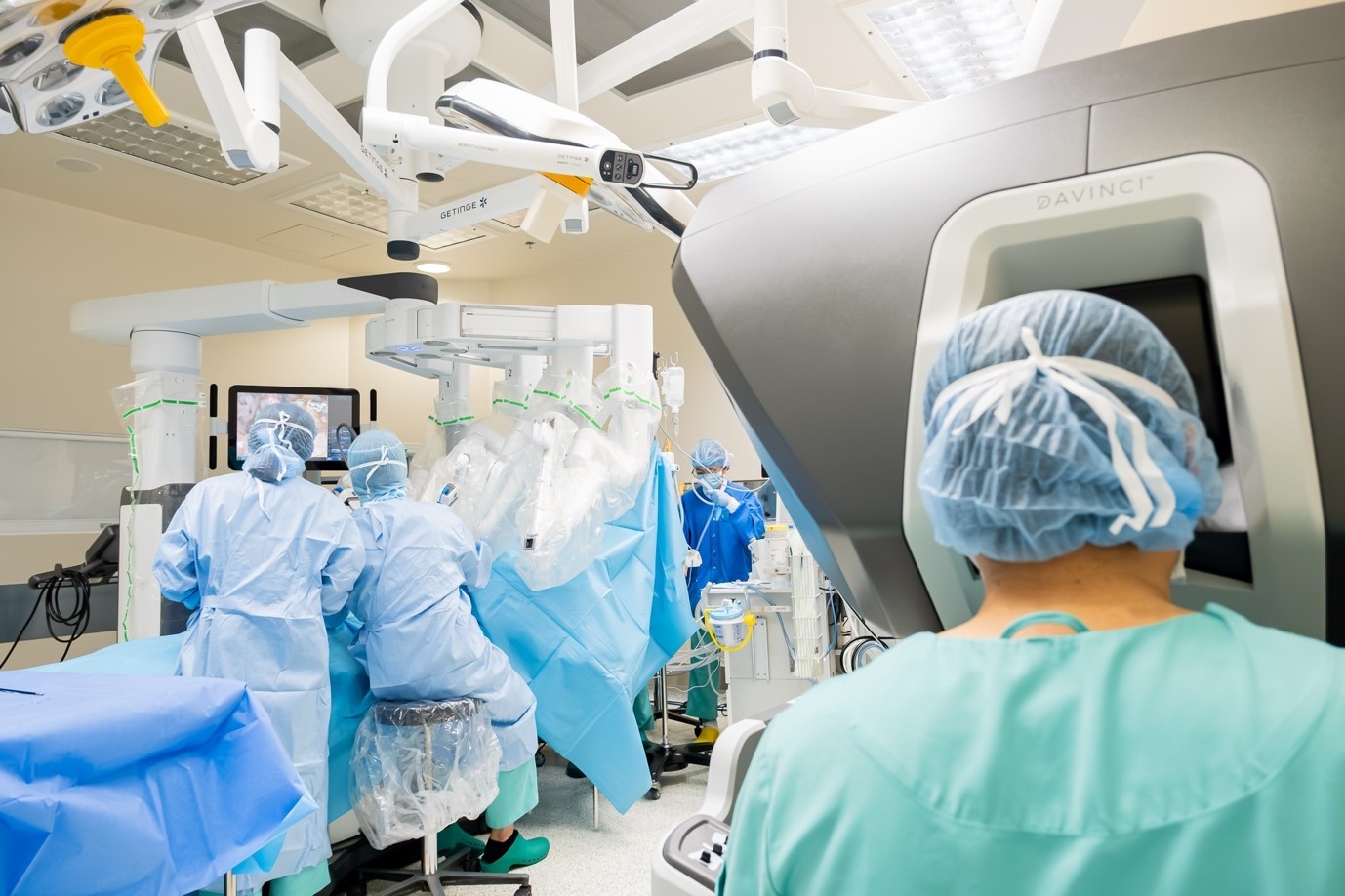 |
| FV doctors perform robotic-assisted lung tumour resection using state-of-the art Da Vinci Xi system. Photo: FV |
In addition to controlling advanced-stage disease, targeted therapy is also used as adjuvant treatment in early-stage cancer to reinforce surgical outcomes and reduce the risk of recurrence.
Dr. Vo Thi Phuong Thao, M.Sc., senior consultant at Hy Vong Cancer Centre, shared the case of a 48-year-old non-smoking woman diagnosed with early-stage lung cancer carrying an EGFR mutation.
Following the development of a personalised treatment regimen, the patient underwent four cycles of adjuvant chemotherapy combined with targeted therapy over a three-year period. After more than 53 months of follow-up, she remains in good health, with no signs of recurrence or disease progression.
Another case involved a female patient born in 1964 whose lung cancer metastasized in 2018. Thanks to the identification of a gene mutation and long-term targeted therapy, she has remained in stable condition for many years while successfully controlling the disease.
Da Vinci Xi robot enables precision surgery while preserving lung function
Alongside medical treatment, thoracic surgery is also undergoing major transformation through robotic technology and early intervention strategies.
Dr. Dang Dinh Minh Thanh, PhD, specialist level II – head of Thoracic Surgery Department; head of FV da Vinci Robotic Surgery Centre, explained that for small lung nodules under 3cm located deep within the lungs but suspected of malignancy, needle biopsy through the chest wall may sometimes lead to complications such as pneumothorax or produce false-negative results.
“The optimal approach is minimally invasive surgery combined with intraoperative frozen-section biopsy. Results are available within minutes, allowing surgeons to determine the appropriate extent of resection and lymph node dissection during a single operation. This strategy removes malignant tissue and preserves as much healthy lung tissue as possible,” Thanh said.
At FV Hospital, this strategy is implemented with high precision using the Da Vinci Xi robotic system, which enables sophisticated surgical manipulation within confined anatomical spaces, improves control of major blood vessels, and supports faster postoperative recovery.
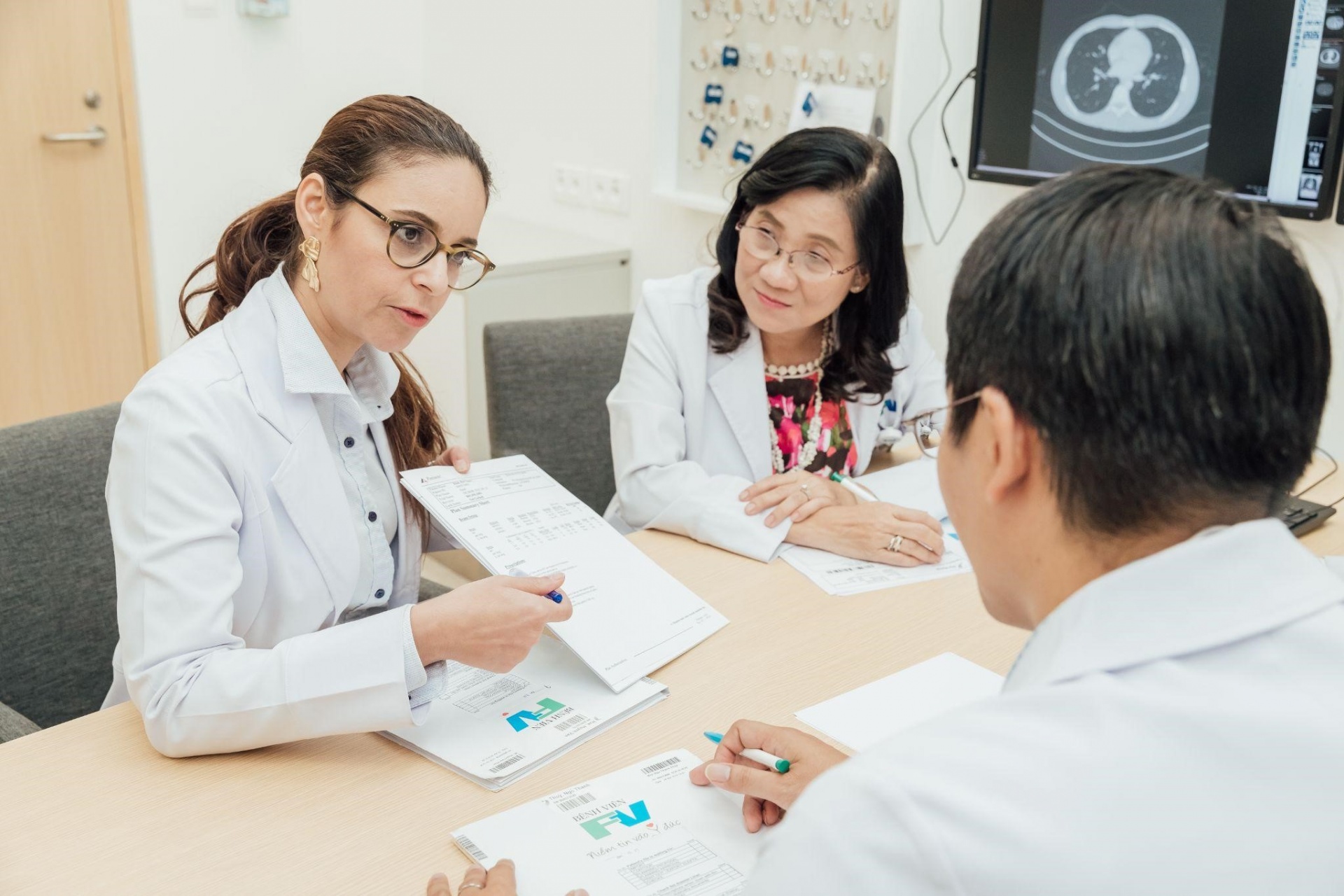 |
| Doctors at the Hy Vong Cancer Centre consult a patient on treatment options. Photo: FV |
Thanh shared the case of a 68-year-old woman with a solid pulmonary nodule suspected of malignancy. Using the Da Vinci Xi robotic system combined with intraoperative frozen-section biopsy, the surgical team precisely removed the affected lung tissue containing the tumour while preserving healthy lung tissue.
Examination of the surgical margins and lymph nodes showed no evidence of malignant cells. The patient recovered remarkably well after surgery while maintaining normal respiratory function.
In another case, a patient with a small pulmonary nodule had been monitored for 17 months because the lesion was initially suspected to be benign.
After several inconclusive biopsies, the patient eventually underwent surgery, and the tumour was confirmed to be cancerous.
Thanh explained that personalised surgical strategies using robotic technology combined with early intraoperative biopsy for lesions smaller than 3cm can facilitate early treatment, improve success rates, and significantly reduce treatment costs.
An important aspect of personalised treatment at FV is the approach designed for patients who are not suitable candidates for major surgery, high-dose chemotherapy, or targeted therapy due to the absence of actionable mutations.
According to Dien, for elderly patients with multiple comorbidities or poor physical condition, FV applies metronomic therapy using continuous low-dose oral medication. Unlike conventional chemotherapy, which administers high doses in cycles, metronomic therapy delivers medication regularly to inhibit tumour growth while minimising side effects.
Clinical outcomes at FV have shown this approach to be an effective solution for maintaining disease stability, reducing treatment-related toxicity, and prolonging survival in patients who are unable to tolerate intensive regimens.
Modern lung cancer treatment is no longer managed by a single speciality alone but requires close multidisciplinary collaboration to tailor treatment plans to each patient.
To share expertise and update the domestic medical community on the latest advances, FV Hospital organised a workshop on personalised lung cancer treatment, covering the journey from theory to clinical practice, on May 23.
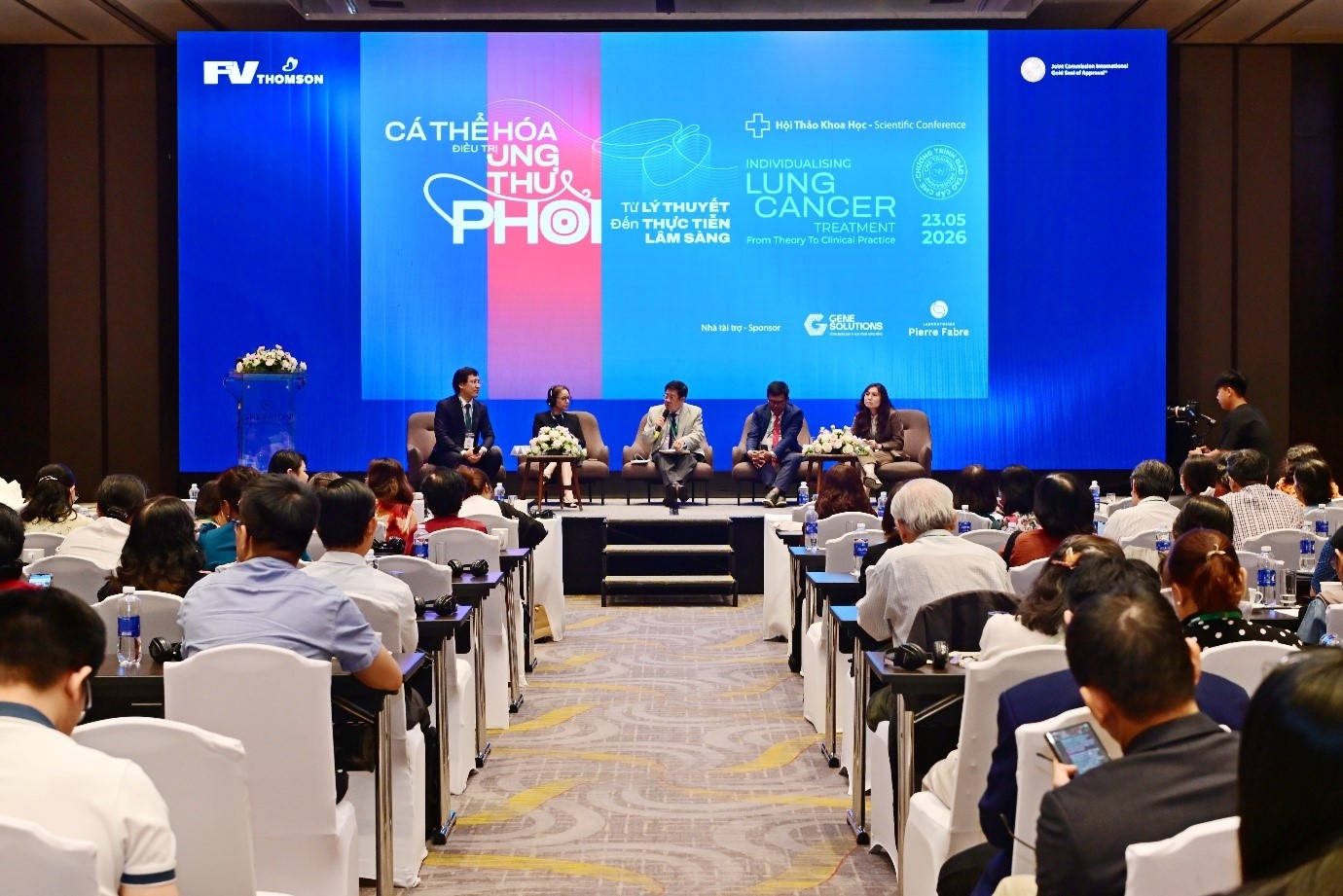 |
| The workshop on personalised lung cancer treatment organised by FV Hospital on May 23. Photo: FV |
The workshop featured leading experts including Le Thuong Vu, MD, PhD – head of Pulmonology Department, University Medical Centre Ho Chi Minh City; Dr Nguyen Duy Sinh, PhD – MD, Gene Solutions Vietnam; and FV specialists including Dr Vu Truong Son, M.Sc. – MD, FV Hospital; Dr Basma M’Barek – head of Hy Vong Cancer Centre, FV Hospital; along with Hy Vong Centre medical team, including Dr. Vo Kim Dien, M.Sc.; Dr. Vo Thi Phuong Thao, M.Sc.; and Dr Dang Dinh Minh Thanh, PhD, specialist level II – head of Thoracic Surgery Department; head of FV da Vinci Robotic Surgery Centre.
This workshop is one of FV Hospital’s in-depth academic initiatives aimed at sharing clinical experience and updating the national medical community on the latest advances in personalised cancer treatment.
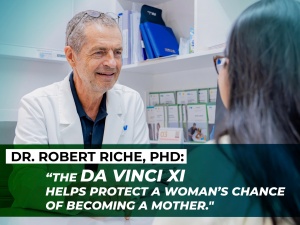 | Robotic surgery advances women’s health at FV Hospital A French obstetrician and gynaecologist with more than three decades of experience is applying robotic surgery at FV Hospital to enhance precision, fertility preservation, and recovery outcomes for women. |
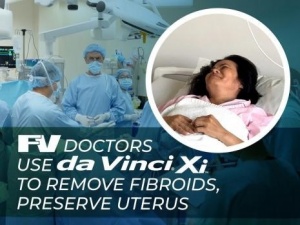 | FV doctors use cutting-edge system to remove complex fibroids A 52-year-old patient with multiple large fibroids was treated using the da Vinci Xi robotic surgery at FV Hospital – eliminating the pathology and preserving the uterus. |
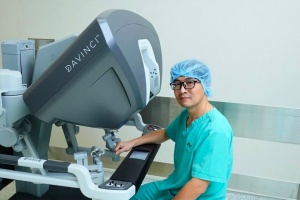 | Robotic surgery treats high-risk pulmonary mycosis After six months of unsuccessful high-dose antifungal treatment in Cambodia and Thailand, a 58-year-old Cambodian patient underwent da Vinci Xi robotic surgery at FV Hospital, preventing life-threatening massive hemoptysis and enabling rapid recovery within just three days. |
Source:vir.com.vn

